
Compare vehicle layouts, containers and journey requirements without relying on unsupported product rankings.
Search results for “vehicle gun racks” mix open holders, soft cases, lockboxes and large storage systems. They also mix sedans, hatchbacks, pickups and off-road vehicles as though one accessory category answers every transport question. A better comparison separates three things: the vehicle layout, the product's documented purpose, and the lawful journey you are planning.
This guide is for readers evaluating storage options—not seeking a fast-access arrangement or an installation tutorial. It explains the trade-offs that a generic product ranking misses and provides a worksheet for gathering useful answers. No named product is presented as tested, theft-proof or universally lawful.
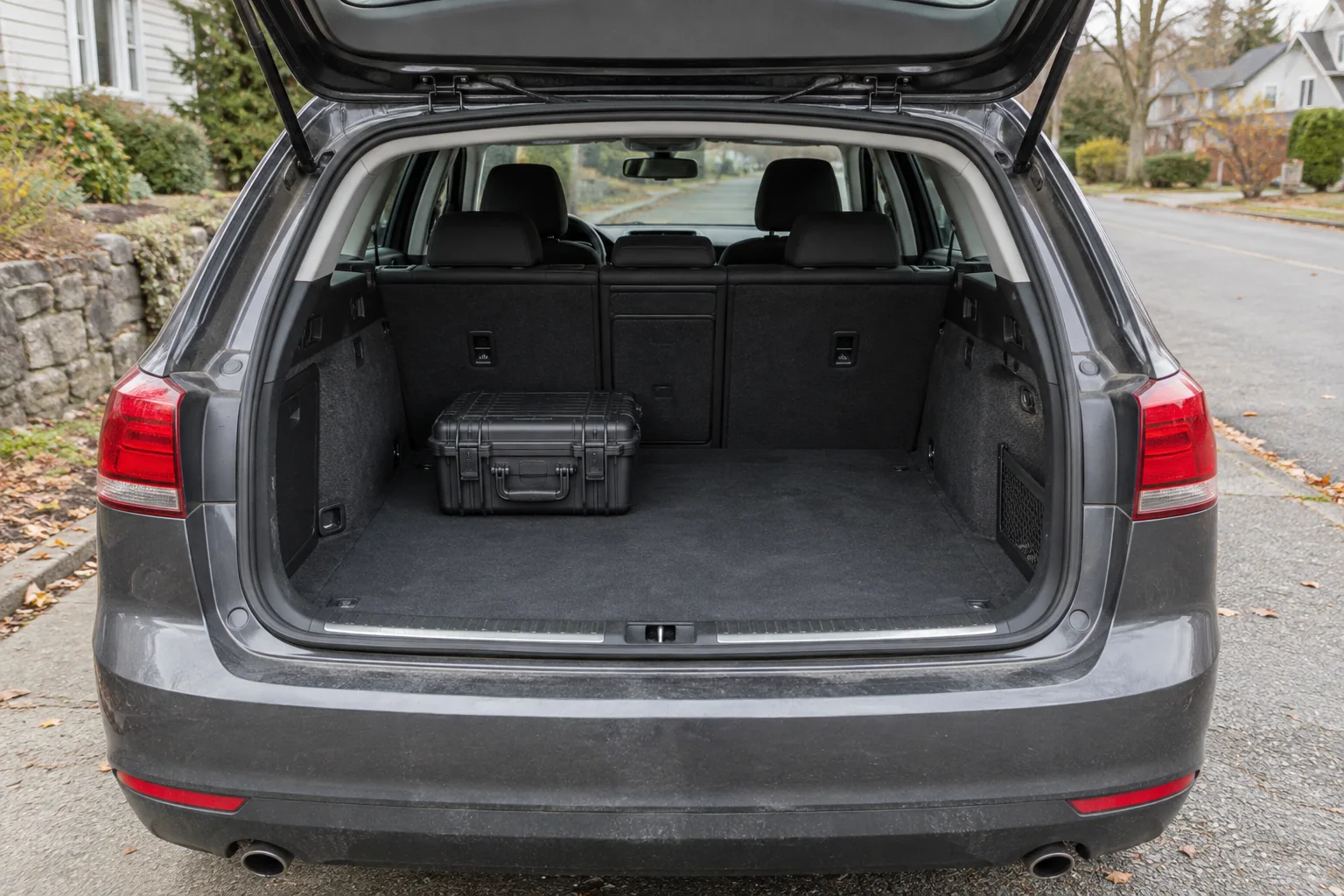
Separate organisation, protection and security
An open holder can organise equipment. A padded case can protect surfaces. A locking enclosure can restrict access. These functions overlap in some products, but one should not be assumed from another. A soft lining is not evidence of theft resistance, and a rugged exterior is not evidence of a crash test.
Begin by stating the required function in ordinary language. “Temporary secure storage during a lawful trip” is a more useful brief than “something that fits in the car.” If the real plan involves routinely leaving a firearm in an unattended vehicle, reconsider the plan before selecting a container.
Project ChildSafe's vehicle resources emphasise the risk of theft from parked vehicles. Treat a product as one part of a responsible plan, not permission to ignore that risk. Hidden from casual view, locked, appropriately installed and lawfully transported are different considerations; none should be silently substituted for another.
What changes with the body style?
| Vehicle type | Layout question | Documentation to obtain |
|---|---|---|
| Sedan | Is there a separate cargo compartment, and what access exists from the cabin? | Vehicle manual and product compatibility information |
| Hatchback or station wagon | How does the cargo area relate to the passenger space? | Exact body-style fitment and official transport guidance for the situation |
| SUV or minivan | How do seat arrangements and passenger needs change the available space? | Supported seating configurations and installation limitations |
| Pickup | Is the relevant space in the cab or load bed, and what conflicts does that introduce? | Cab/bed-specific instructions and environmental limitations |
| Motorcycle, ATV or other specialist vehicle | Is the product actually designed and supported for this vehicle and use? | Manufacturer-specific documentation rather than a car-accessory assumption |
This is a list of questions, not a legal classification of every vehicle. A folding rear seat, pass-through or unusual interior arrangement may matter to the actual situation. Do not reduce a detailed transport requirement to the fact that a vehicle is marketed as an SUV or a sedan.
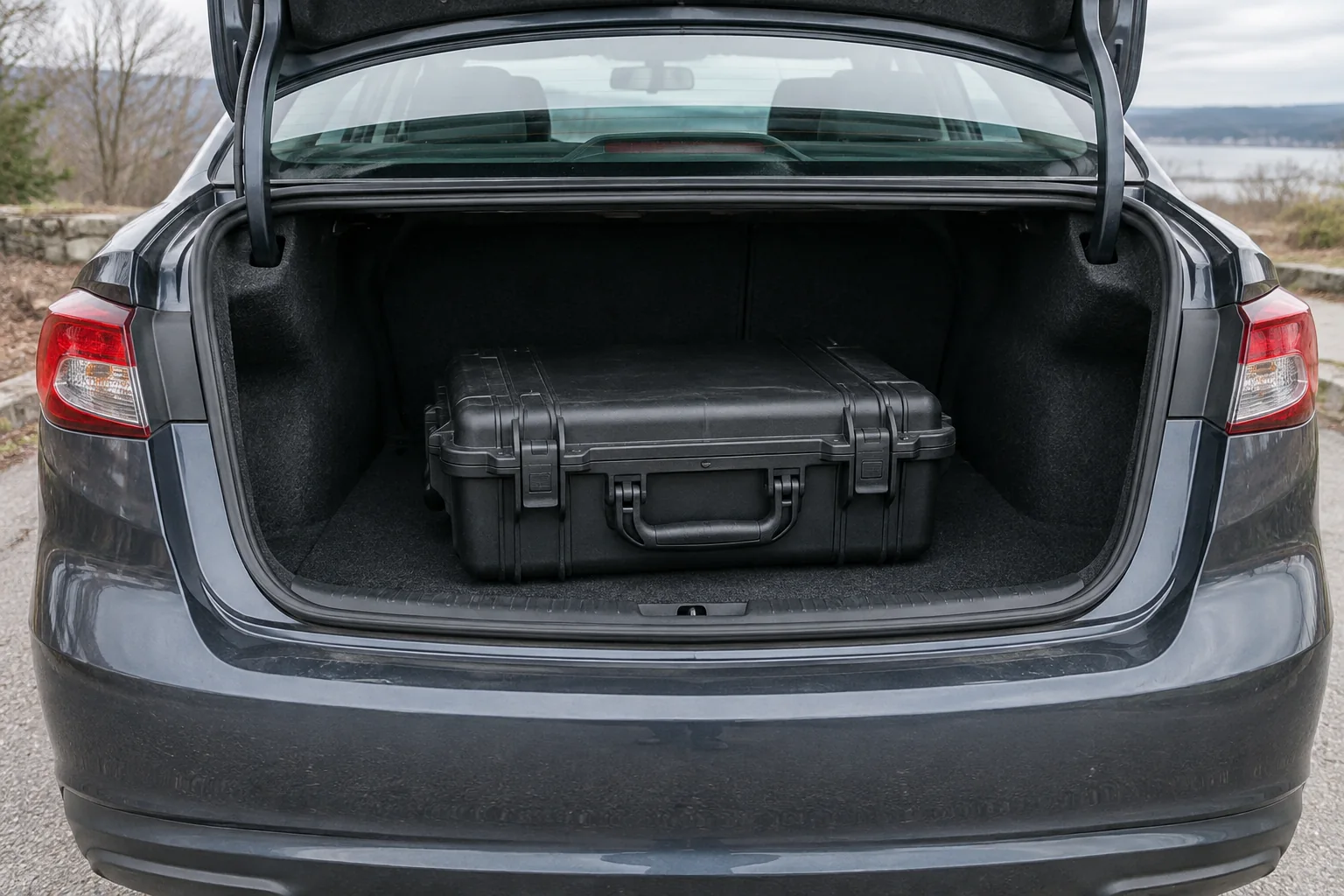
Sedans, wagons and SUVs need different comparisons
For a sedan, record how the intended storage space is reached and which ordinary vehicle functions must remain available. Consider whether the proposed product changes access to factory equipment or the use of the luggage space. Check the vehicle manual and supplier instructions rather than making a decision from an exterior measurement alone.
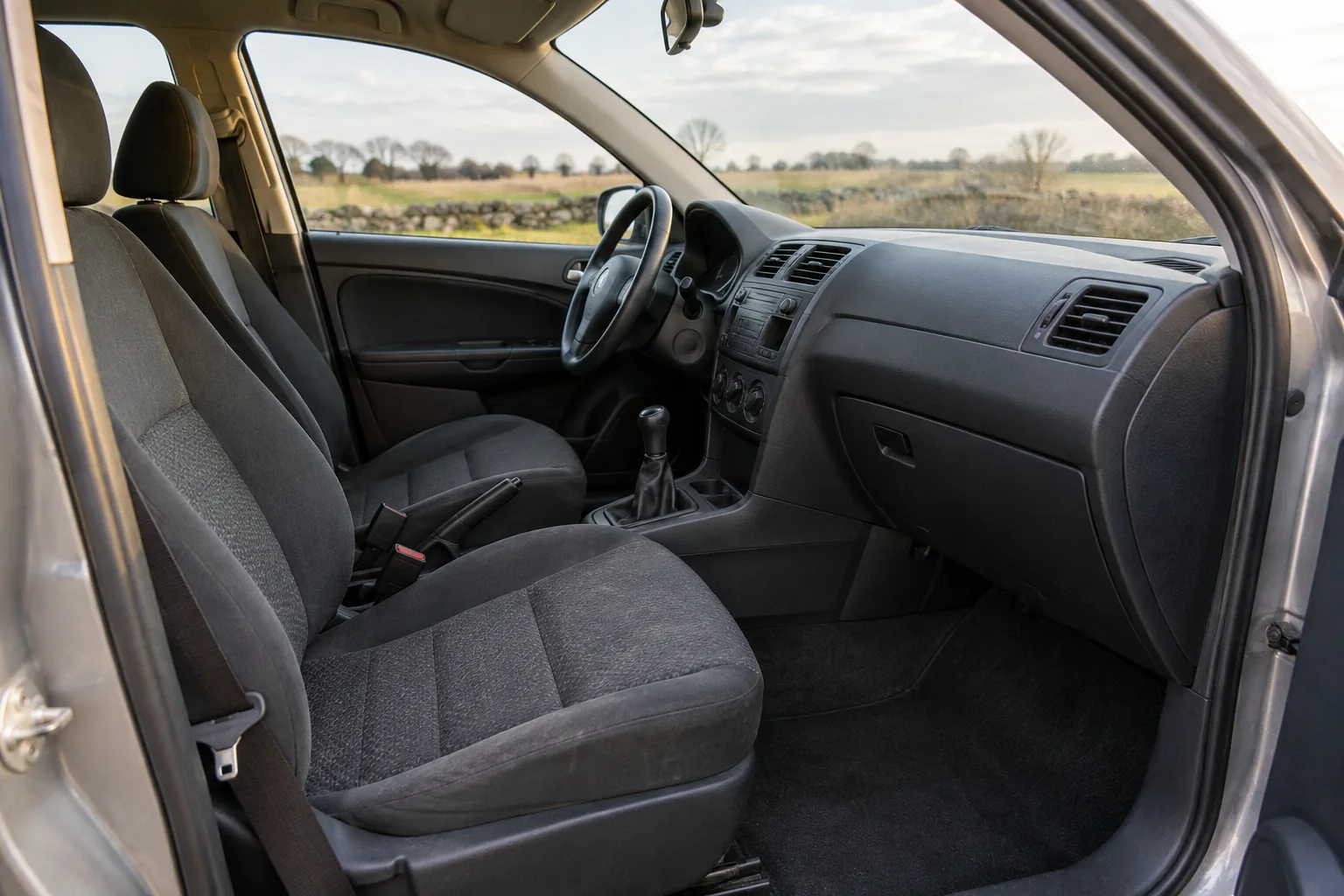
In a wagon or hatchback, the cargo area is generally part of a more continuous interior layout. In an SUV or minivan, changing seating arrangements can alter the usable space. The important consumer question is whether the product remains compatible with the actual configuration in which the vehicle travels, not whether it fits with every seat folded out of the way.
Children, adult passengers, mobility needs and ordinary luggage are part of that assessment. A storage product should not force an improvised compromise with seating, seat belts or vehicle safety systems. NHTSA's airbag guidance provides general context; the exact restrictions come from the specific vehicle's documentation and qualified support.
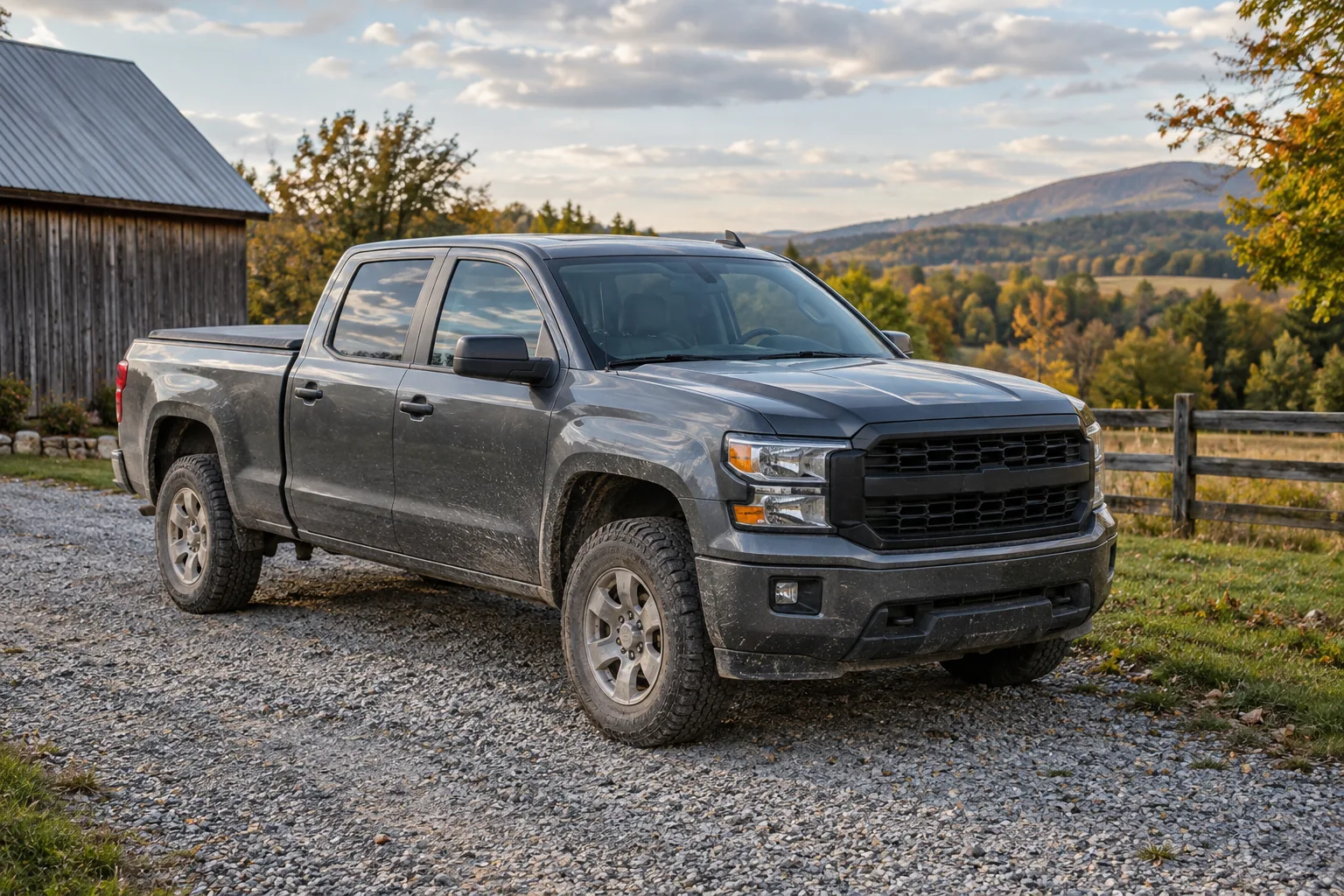
Pickups and specialist vehicles are not interchangeable
A pickup's cabin and load bed introduce different trade-offs. Under-seat systems need exact fitment information; load-bed equipment needs clear environmental and compatibility documentation. A cover or canopy does not automatically turn every case beneath it into a secure, weatherproof system. See our pickup-specific guide for a fuller comparison.
For an ATV, motorcycle or other specialist vehicle, do not extrapolate from a product intended for an ordinary passenger car. The manufacturer must actually support the intended vehicle and use. A clamp, rack or case that appears adaptable is not proof that adaptation is appropriate or lawful.
If documented support is absent, leave that option out of the shortlist. An attractive product image cannot settle vibration, exposure, occupant safety or installation questions. This guide does not provide a workaround for a product that is being used outside its stated application.
Evidence to request from the supplier
Ask for the exact model number, dimensions with clear internal/external labels, supported vehicles, installation instructions and maintenance requirements. If a security or testing claim is made, ask for its scope and supporting document. Keep the date of the specification because product revisions can change over time.
The answer “made from heavy steel” is a material description. “Lockable” describes a feature. “Tested” requires an explanation of what was tested, against what criteria and in which configuration. None of those words alone establishes the complete performance of the system you intend to use.
Distinguish product documentation from editorial opinion. A retailer may accurately reproduce a specification while adding a subjective “best choice” label. The specification can be checked; the label depends on the criteria used. If no criteria are stated, it adds little to your decision.
Installation belongs to the documented system
A product's suitability cannot be separated from its installation requirements. Obtain those requirements before ordering and identify who is responsible for the work. Include any vehicle-specific kit, professional assessment or installation cost in the comparison.
Do not drill, alter restraints, obstruct controls or modify a vehicle safety system on the basis of a generic article. If a supplier's instructions appear to conflict with the vehicle documentation, resolve the conflict with the relevant manufacturer or qualified installer. A promise that “people do it all the time” is not a technical answer.
After installation, retain the paperwork and understand the limitations. If seats, trim, accessories or the vehicle itself change, reconsider compatibility. A one-time fitment decision should not be treated as permanent approval for every later configuration.
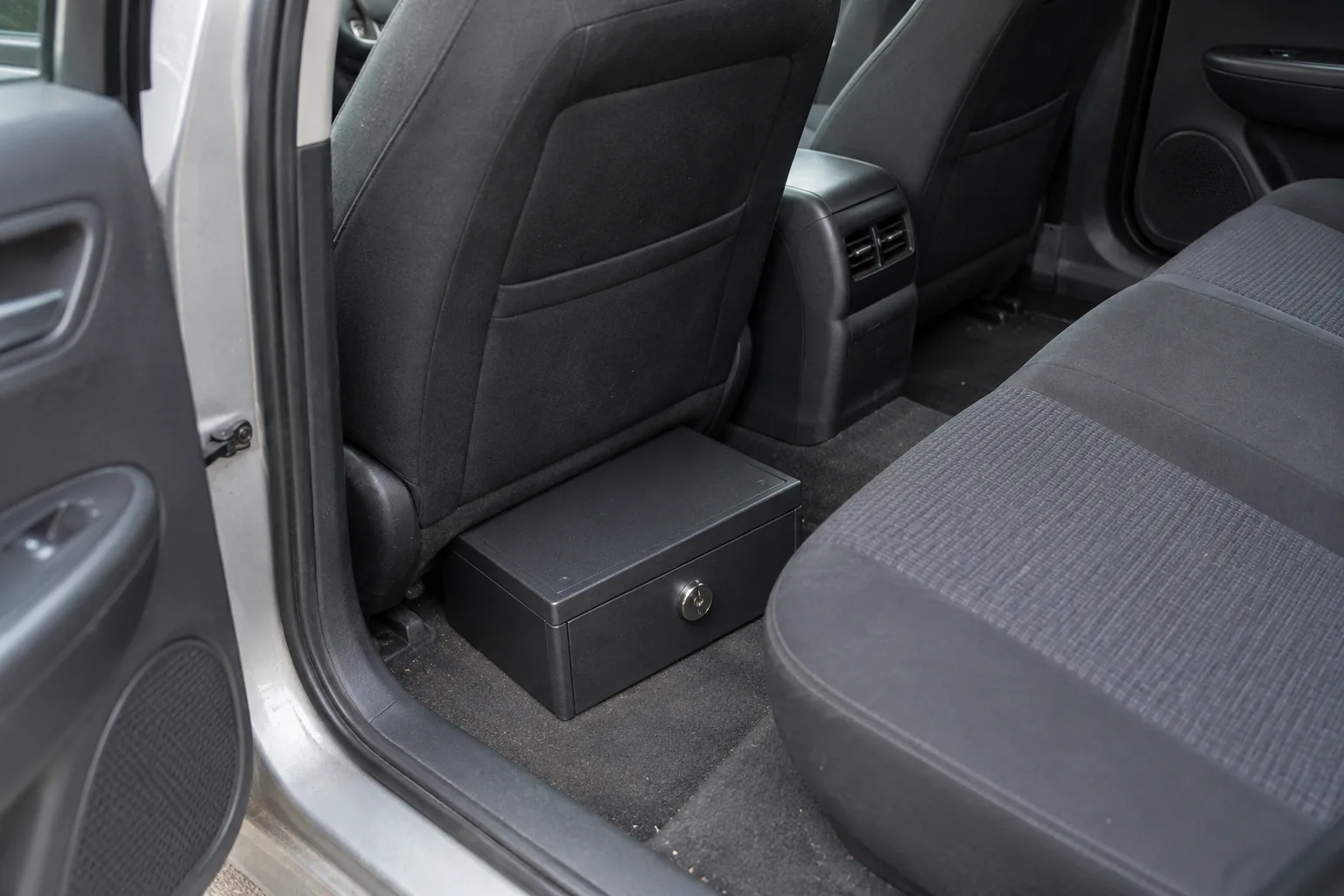
Plan the journey independently of the purchase
A legal transport question involves more than the accessory you buy. The route, destination, lawful possession and other circumstances may matter. Verify current official guidance for the actual situation, and obtain qualified legal advice when needed. This article does not provide a state-by-state legal determination.
Watch the status and date of any source. A proposed regulation is not the same as an effective rule, and an old summary may omit later developments. The ATF interstate-transport rulemaking page illustrates the need to read a document's status instead of treating its headline as permission.
Also plan for changes: a delayed arrival, a different vehicle or an unavailable destination can invalidate assumptions behind the original arrangement. Identify a lawful, secure alternative in advance rather than improvising while travelling. Do not publish sensitive details of the route or storage arrangements when asking for general product advice.

A practical comparison worksheet
Use one row per candidate and the same fields for each. Record the intended task, the supported vehicle configuration, the usable space, the installation route, the evidence for claims, the complete cost and the remaining uncertainties. Keep a copy of the document or message supporting important answers.
Use plain statuses: verified, awaiting a specific answer, or not suitable. Avoid inventing numerical scores for issues you cannot quantify. A product with an unresolved critical fitment question should not win because it earns points for a large capacity or a low price.
Try a simple scenario check before ordering. Imagine the vehicle with its normal passengers and luggage, then with a planned change such as a different seat configuration. Ask whether the manufacturer's supported arrangement still applies. This is a planning exercise, not an invitation to carry out improvised physical tests or simulate a collision.
Maintenance and the end of the journey
Follow the storage product's own inspection and care requirements. A worn lock, damaged case or missing component needs appropriate attention; it should not be dismissed because the original product had a good reputation. Manufacturer support is more useful than an improvised repair that may invalidate the documented arrangement.
When the journey ends, restore the appropriate lawful storage arrangement at the destination. Vehicle storage should not become long-term storage by default. Keep any access keys or credentials controlled and separate from public reviews, shared photographs or visible paperwork.
For broader equipment care, the maintenance-planning article explains how to maintain a useful private record. It deliberately separates observation, owner care and professional service so that a quick check is not mistaken for a complete condition assessment.
Frequently asked questions
Is the largest container usually the best choice?
No. Capacity is useful only when the product is appropriate for the task, compatible with the vehicle and supported by clear instructions. Excess size can create a fitment problem without improving the plan.
Does a lock establish that a case meets the law everywhere?
No. A product feature cannot establish every jurisdiction's requirements or the circumstances of a particular journey. Verify current official guidance for the actual situation.
Is a rack and a lockbox a fair price comparison?
Only if you first recognise that they may be intended for different functions. Compare products capable of addressing the same need; otherwise the cheaper option may simply be solving a different problem.
What is the best first step?
Define the lawful transport and temporary-storage task, identify the exact vehicle configuration, and collect documentation before shopping. For smaller cabin accessories, continue with the car-holster and lockbox guide.